
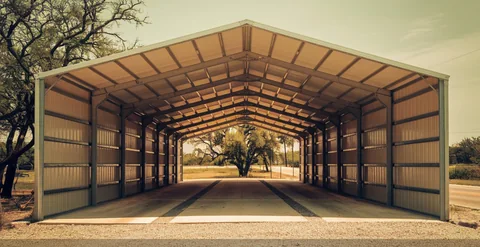
As homeowners and businesses across Texas seek solutions for protecting vehicles and other assets from the elements, carports have become a popular choice. Building a carport in Texas requires adherence to specific engineering and construction requirements to ensure safety, functionality, and compliance with local and state regulations. This guide provides a comprehensive look at the engineering standards for carports in Texas in 2024.
Table of Contents
- Introduction to Carport Requirements
- Structural Engineering Standards
- Local Building Codes
- Wind and Load Considerations
- Material Requirements
- Permit and Inspection Processes
- Common Challenges and Solutions
- Conclusion
1. Introduction to Carport Requirements
In Texas, carports must meet specific criteria established by local building codes and engineering standards. These criteria are designed to account for weather extremes, including high winds, heavy rainfall, and occasional hailstorms. The Texas Department of Licensing and Regulation (TDLR) and city-specific ordinances often dictate the essential requirements.
2. Structural Engineering Standards
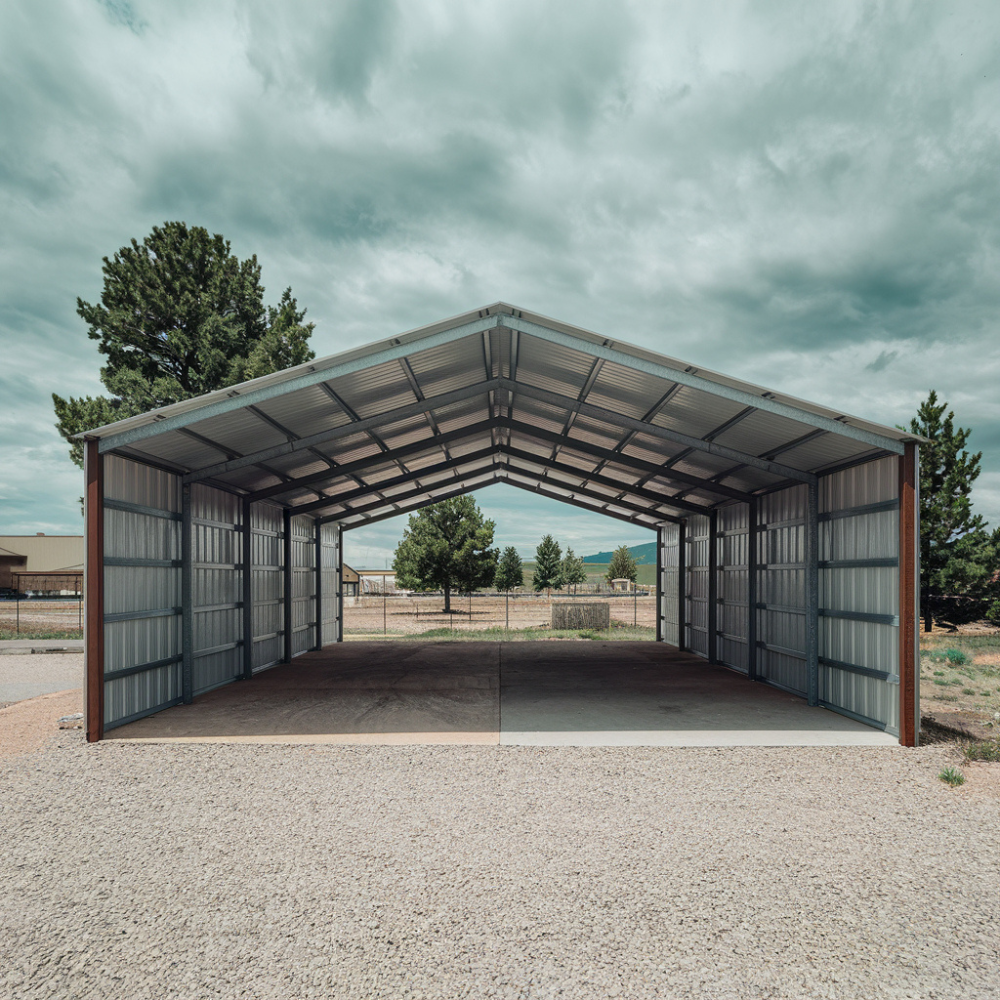
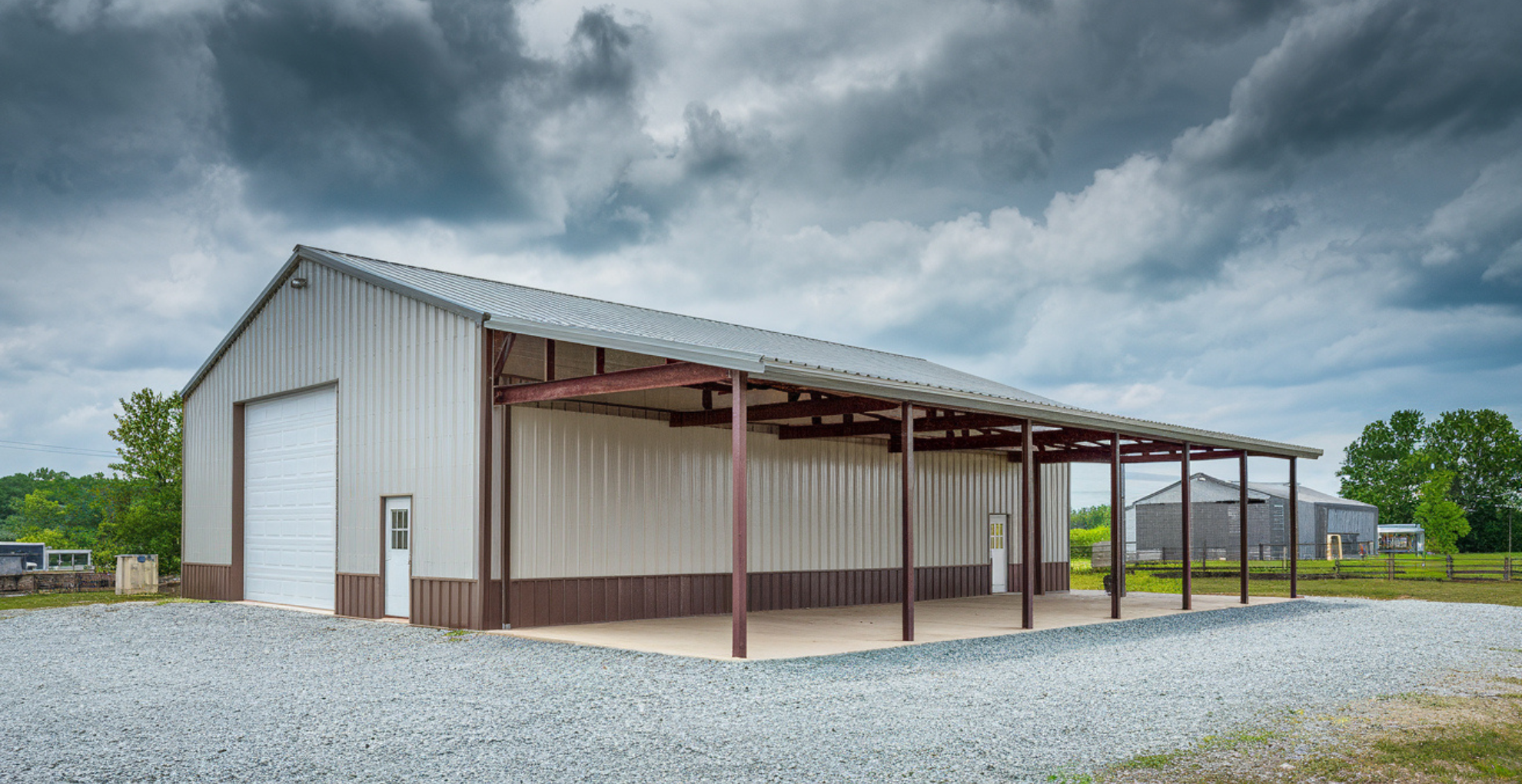
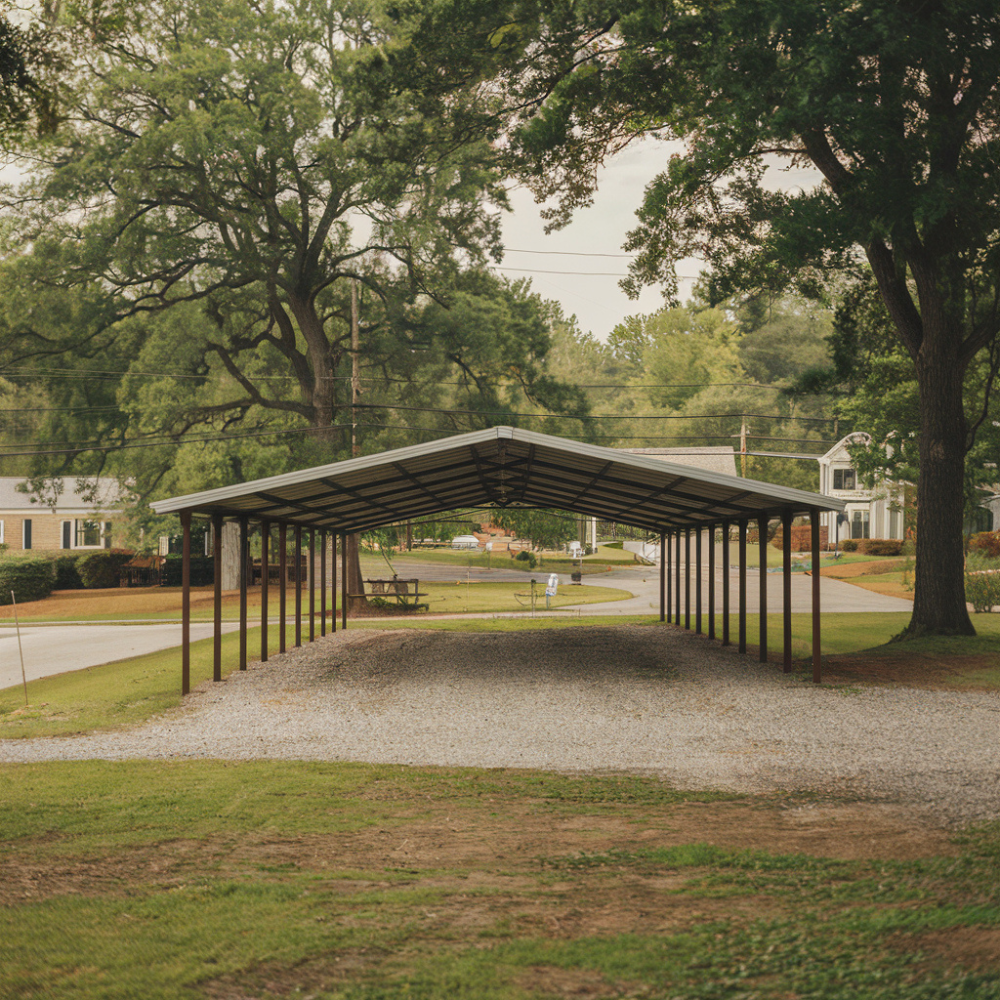
The structural integrity of a carport is critical. Key requirements include:
- Foundation: Carports typically require a concrete slab or pier foundation to anchor the structure securely.
- Supports and Beams: Posts and beams must be designed to withstand wind loads and carry roof weight efficiently.
- Roofing: Engineered to shed water and resist uplift, roofing materials must comply with standards set by the International Building Code (IBC) or Texas-specific amendments.
3. Local Building Codes
Texas cities and counties have individual building codes that govern carport construction. Key examples include:
- Austin: Carports over 200 square feet require a permit and structural review.
- Houston: Windstorm certification may be necessary if the carport is in a windstorm-prone zone.
- Dallas/Fort Worth Metroplex: Metal carports must meet fire-resistance ratings if located close to property lines.
Always check with the local building department for specific code requirements.
4. Wind and Load Considerations
Texas is classified into various wind zones, with coastal areas facing higher wind speeds due to hurricane risks. Engineering requirements include:
- Wind Load Ratings: Coastal areas often require structures to withstand wind speeds up to 150 mph.
- Snow Loads: Although rare in most parts of Texas, the Panhandle may require carports to meet minimum snow load standards.
5. Material Requirements
The materials used in carport construction must meet durability and safety standards:
- Metal: Aluminum and steel are common due to their strength and weather resistance.
- Wood: Must be treated to resist decay and pests.
- Roofing: Metal roofing panels or asphalt shingles are popular options, with specific thickness and coating requirements to ensure longevity.
6. Permit and Inspection Processes
Before construction, securing permits and undergoing inspections are crucial:
- Submit Plans: Detailed engineering drawings must be submitted to the local permitting office.
- Obtain Permits: Ensure all permits are approved before beginning construction.
- Inspection Stages: Inspections may occur during foundation preparation, post-installation, and upon project completion.
Failure to comply can result in fines or mandatory reconstruction.
7. Common Challenges and Solutions
Challenge: Compliance with Windstorm Requirements
Solution: Work with a certified engineer to design a structure that meets or exceeds windstorm standards.
Challenge: Proximity to Property Lines
Solution: Verify setbacks and adhere to local zoning laws to avoid legal complications.
Challenge: Material Durability
Solution: Invest in high-quality, corrosion-resistant materials suitable for Texas’ climate.
8. Conclusion
Building a carport in Texas requires careful planning and adherence to engineering and building code requirements. From understanding wind and load factors to navigating permits and inspections, ensuring compliance will not only safeguard your investment but also enhance its value and longevity. Consulting with local experts and licensed engineers can streamline the process and help avoid costly errors.
Looking for more information on if your project requires an engineer? Contact Lightning Engineering for more information.